Comprehensive Auto & Preventive Maintenance in Fairfax, VA | Circle Auto
Routine preventive maintenance keeps your car safe, dependable, and less expensive to own by catching wear and small problems before they grow into major repairs. Below we explain what preventive maintenance looks like for Fairfax drivers, list the key services that protect vehicle life and inspection readiness, and show how to book service with Circle Auto Repair in Fairfax, VA. Many drivers end up with surprise repairs or failed inspections because routine care gets put off — preventive maintenance stops that cycle with scheduled oil and fluid service, brake and tire checks, and prompt diagnostics. Read on for local guidance (how Fairfax driving patterns affect maintenance), Virginia inspection and emissions notes, real examples that show preventive ROI, and simple steps to make an appointment with Circle Auto Repair so your vehicle stays safe on the road.
Why Preventive Maintenance Matters for Fairfax Drivers
Preventive maintenance is a planned program of inspections and routine services that cuts the chance of roadside breakdowns and keeps a car useful longer. Fresh fluids, properly adjusted brakes, and checked electrical systems reduce sudden failures and can improve fuel economy — which matters for Fairfax drivers who mix city stop-and-go trips with highway driving. Regular care also gets your vehicle ready for Virginia safety and emissions checks, lowering the risk of failed inspections and surprise bills. Knowing these basic benefits helps you decide which services and intervals to prioritize to protect safety, retain resale value, and avoid inconvenient downtime.
Left unchecked, small issues cascade: a low fluid or a worn brake pad can stress related parts and make repairs bigger and costlier. Treating scheduled checks as an investment in longevity — not just another expense — keeps your car running better for longer. The sections that follow explain how routine maintenance lengthens service life and improves safety.
How Preventive Maintenance Extends Your Vehicle’s Lifespan
Preventive maintenance slows the wear processes that eventually damage major systems — things like lubrication breakdown, contamination, corrosion, and mechanical stress. Regular oil and filter changes stop abrasive particles from circulating through the engine. Timely fluid services protect transmissions and cooling systems from overheating or chemical failure. Scheduled tire rotations and alignments promote even tread wear, delaying replacements and protecting suspension parts. Together, these services lower mechanical stress, slow component deterioration, and keep factory tolerances intact, which helps your vehicle run longer and hold its resale value.
In practice, following factory-recommended fluid and filter schedules often means far fewer engine repairs over a decade — measurable in service history and reduced time in the shop. That practical payoff leads directly to the safety improvements routine care delivers right away.
What Safety Improvements Come from Regular Maintenance?

Regular maintenance keeps both active and passive safety systems working as designed: brakes that stop predictably, tires that grip, and lights and steering that respond reliably. Inspecting pads, rotors, and brake fluid prevents reduced stopping power and lowers accident risk. Tire checks and rotations preserve traction and reduce blowout risk on local roads. Lighting and electrical checks protect night visibility, and suspension inspections help maintain vehicle control. These checks protect people and simplify repairs after incidents, reducing liability and downstream costs.
A typical preventive visit includes a short safety checklist — brakes, tires, lights, steering/suspension, and vital fluid levels. That list sets expectations for what a thorough inspection covers and for what local shops should offer.
What Auto Maintenance Services Does Circle Auto Repair Offer in Fairfax, VA?
Below we outline the core preventive services Fairfax drivers should expect, explain what each service covers, recommend typical intervals, and highlight the primary benefits for safety and inspection readiness. Knowing the scope of each service helps you prioritize work based on mileage, driving habits, and Virginia inspection timing.
Here’s a quick comparison of core services, what they include, typical intervals, and how they improve performance and compliance.
Different preventive services map directly to safety and efficiency outcomes:
| Service | Includes | Recommended Interval | Primary Benefit |
|---|---|---|---|
| Oil Change Service | Engine oil replacement, oil filter, visual engine check | Every 3,000–10,000 miles depending on oil type and driving | Reduces engine wear; improves fuel economy |
| Brake Service & Inspection | Pad thickness check, rotor condition, brake fluid inspection | Inspect at every oil change; replace as wear dictates | Restores stopping performance and overall safety |
| Tire Rotation & Balancing | Rotate wheel positions, balance weights, tread inspection | Every 5,000–7,500 miles or with your oil-change cycle | Even tread wear and better fuel economy |
| Virginia State Safety & Emissions Inspection | Checklist review, emissions test troubleshooting | Annually or per state requirements | Ensures legal compliance and avoids failed inspections |
This comparison highlights trade-offs: small services like an oil change protect long-term engine health, while inspections and brake work directly reduce crash risk. After reviewing the standard services, you can choose which tasks to schedule next and how they fit into a preventive plan.
At Circle Auto Repair we deliver these preventive services with clear communication and an eye toward inspection readiness. Our local experience with Fairfax driving conditions and commitment to transparency help you understand what each service includes and why it’s recommended. When we find issues worth addressing, we’ll document them with photos or short videos so you can see what we see and make informed choices about next steps.
How Often Should You Schedule an Oil Change in Fairfax?
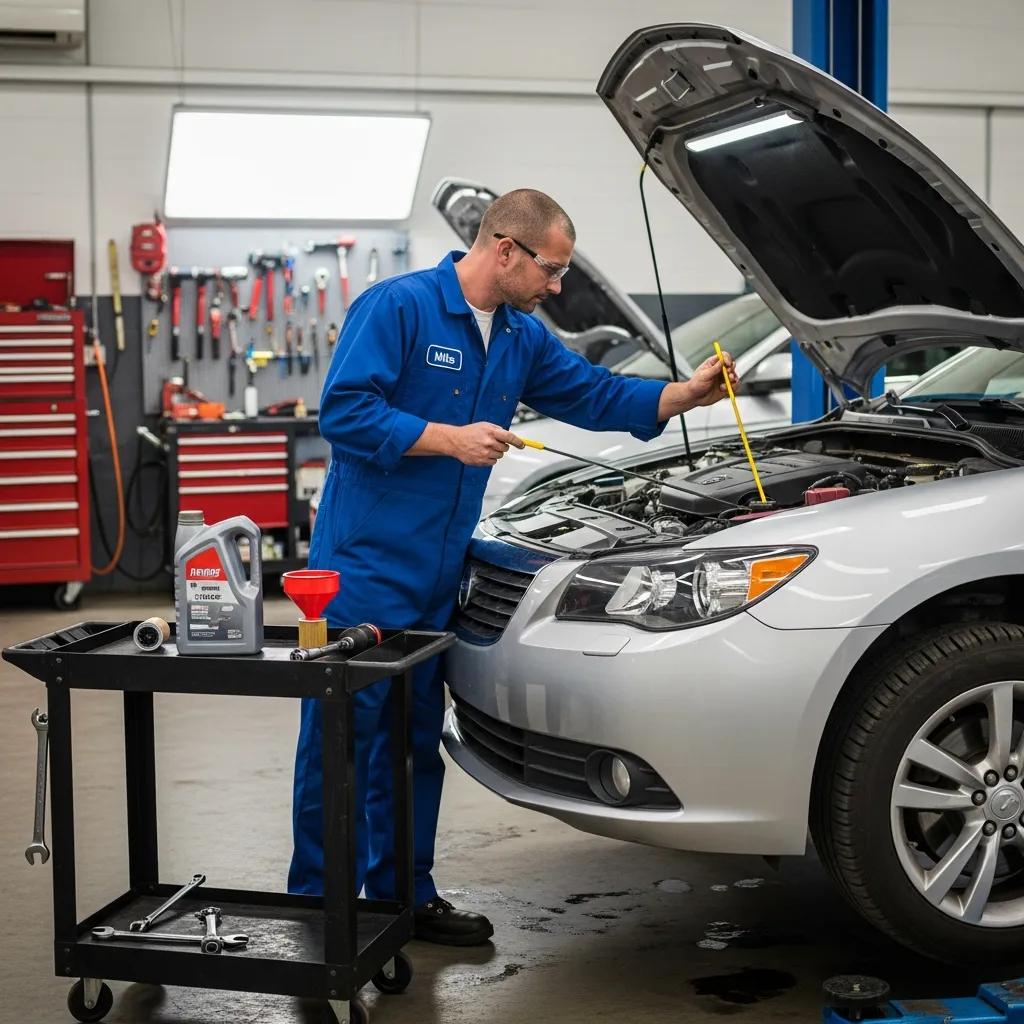
Oil-change intervals depend on oil type, engine design, and how you drive. Conventional oil typically needs changes around 3,000–5,000 miles; many synthetics go 7,500–10,000 miles under normal use. Local factors — lots of short trips, heavy idling in traffic, or towing — speed oil degradation and mean you should change oil more often. Check oil level and color between services to spot issues early, and follow your vehicle manufacturer’s maintenance schedule for the most reliable guidance.
When unsure, use mileage and time together: follow the manufacturer’s mileage recommendation or at least change oil annually to prevent sludge and protect the engine. Here are three common oil-change questions to make scheduling simple:
- How do I know if my oil needs changing? Check the level and appearance; very dark or gritty oil is time for a change.
- Can I extend intervals with synthetic oil? Yes — synthetic resists breakdown and can lengthen intervals, but always follow manufacturer guidance.
- Does driving style affect interval? Yes — frequent short trips and heavy-load driving shorten recommended intervals.
What Does a Comprehensive Brake Repair & Inspection Include?
A thorough brake inspection checks pad thickness, rotor surface condition, caliper operation, brake fluid level and contamination, and ABS diagnostics when applicable. Technicians measure pad wear, look for scoring or warping on rotors, test calipers for even movement, and inspect lines for leaks or corrosion. If you report symptoms like squealing, vibration, or a soft pedal, diagnostics determine whether resurfacing, replacement, or fluid service is the right fix. Timely brake work preserves stopping distance and prevents more expensive damage to related parts like wheel bearings and ABS modules.
Typical inspection steps include a visual pad and rotor check, brake-fluid condition test, torque and hardware inspection, plus a short test drive to verify pedal response. After inspection we give a clear recommendation, backed by photos or video, so you can prioritize repairs with confidence.
Why Are Tire Rotation and Balancing Important for Fairfax Roads?
Tire rotation and balancing address uneven tread wear that comes from front/rear weight differences, alignment issues, and local road surfaces — especially on routes with frequent turns and mixed pavement. Rotating tires spreads wear across all four, extending tire life and delaying replacement costs. Balancing prevents vibration that can damage suspension parts and reduces ride harshness. Correct tire care also helps fuel economy and traction in the wet weather we see seasonally in Fairfax.
We usually pair rotation with alignment checks and balancing during regular visits to maximize tire life and handling. Drivers who combine rotation with seasonal inspections typically see longer tire life and steadier daily driving performance.
What Are Virginia State Safety and Emissions Inspection Requirements?
Virginia safety and emissions inspections evaluate systems that affect safety and the environment: brakes, tires, steering, lights, windshield condition, and exhaust/emissions equipment where required. A short pre-inspection checklist includes checking headlights and turn signals, brake lights, tire tread depth, visible structural issues, and emissions equipment operation when relevant. If a vehicle fails, the usual next steps are targeted repairs for the failed item followed by a retest; knowing the exact failure speeds up repairs and reduces repeat visits.
To prepare, fix obvious issues ahead of time — worn tires, nonworking lights, or noisy brakes — and have recent maintenance records ready to show preventive attention. These simple steps lower the odds of a failed inspection and the extra costs that follow.
How Does Circle Auto Repair Ensure Transparency and Trust During Vehicle Service?
We build trust through clear communication and processes that keep you informed at every step. Our transparency tools include photo and video updates when we recommend fixes, and plain‑language explanations of diagnostic findings and repair options. That approach reduces uncertainty, helps you prioritize safety-critical work, and creates a low-stress experience where you’re informed, not surprised. Honest repairs and visible documentation support long-term vehicle health and give you confidence in the care your car receives.
Below is a practical overview of how you can watch work unfold and what our standard service sequence looks like, so you know what to expect during a drop-off or repair.
How Can Customers Watch Their Repairs in Real-Time?
You can opt in to real-time viewing and multimedia updates that show diagnostic results and repair progress. Options include onsite viewing areas or digital updates with photos and short videos. When you choose this, our staff document recommended repairs with images and notes that accompany the cost estimate and priority guidance. Those updates protect your interests by providing verifiable evidence of vehicle condition and proposed work, and they help you make informed approval decisions. If you can’t be onsite, timely digital updates give you the same level of transparency and reduce the stress of not knowing what’s happening.
Regular documentation also builds a useful maintenance record that supports resale and warranty conversations, linking visual proof to the timeline of service actions.
What Is the 4-Step Service Process at Circle Auto Repair?
We follow a simple four-step workflow so every job is clear and controlled.
- Intake and initial inspection: we record symptoms and run baseline checks.
- Diagnosis: targeted testing and data capture identify root causes; this stage often includes photos and video documentation.
- Customer approval: we present clear estimates and multimedia evidence, and you authorize the work you want done.
- Repair and verification: technicians complete the authorized work, run post-repair tests, and document the results for you.
This structure highlights decision points where you get transparent cost and repair information, and it ensures approvals and verifications are documented — a practice that builds long-term trust and consistent service quality.
How Can Regular Preventive Maintenance Save You Money in Fairfax, VA?
Preventive maintenance lowers your total cost of ownership by improving fuel economy, cutting the frequency of major repairs, and avoiding inspection fines or repeat tests. Small investments — like replacing an air filter or keeping tire pressure correct — deliver measurable MPG improvements and reduce engine strain. Catching leaks or worn parts early turns potentially catastrophic repairs into manageable, lower-cost fixes. The table below shows common preventive tasks, typical service costs, and the repairs or efficiency gains they commonly prevent, so you can see where preventive dollars go further.
| Preventive Task | Average Service Cost | Potential Avoided Repair / Benefit |
|---|---|---|
| Oil & Filter Change | $40–$120 (varies by oil type) | Prevents engine wear; avoids costly top-end repairs |
| Air Filter Replacement | $25–$60 | Improves MPG by ~2–3% and preserves engine efficiency |
| Brake Inspection & Minor Pads | $60–$150 | Avoids rotor replacement or brake-system damage costing hundreds |
| Tire Rotation & Pressure Check | $20–$50 | Extends tire life and can improve fuel economy by ~1–3% |
These examples show how modest preventive spending can avoid repairs that cost several times more, and how small efficiency gains add up over months of local driving. Seeing the numbers makes it easier to choose services with the best short-term ROI.
What Are the Fuel Efficiency Benefits of Scheduled Maintenance?
Scheduled maintenance helps MPG by keeping the air intake, fuel delivery, and combustion systems working within factory tolerances. Replacing clogged air filters, keeping tires at the right pressure, and using clean engine oil reduce losses that lower fuel economy. Even a 1–3% MPG improvement adds meaningful yearly savings for commuters and frequent drivers. Track fuel consumption before and after service to get concrete proof that maintenance is paying off.
For ongoing monitoring, compare trip fuel-economy readings and note changes after service — that gives you real feedback and helps justify continued scheduled care.
How Does Early Detection Prevent Costly Repairs?
Early detection finds small faults — minor leaks, worn belts, low coolant — before they turn into major failures like blown head gaskets, transmission overhauls, or seized engines. Routine diagnostics let us schedule repairs during planned visits instead of emergency interventions that may include towing and higher labor rates. Two short examples: a cooling-system pressure test that finds a small hose leak prevents overheating and a head-gasket failure; a routine fluid check that discovers contaminated transmission fluid leads to a timely service rather than a rebuild.
We recommend tying basic checks to oil changes and seasonal service so you get repeated opportunities to catch developing issues early and schedule repairs at lower cost and inconvenience.
What Specialized Maintenance Services Are Available for Import and Domestic Vehicles?
Specialized maintenance covers differences in factory schedules, fluid specs, and advanced systems like ADAS and hybrid battery management. Import cars may need specific fluids or OEM parts, while domestic vehicles can have different interval recommendations; following factory schedules preserves warranty coverage and resale documentation. Our diagnostic tools — OBDII scanning, battery testing for hybrids/EVs, and ADAS calibration support — help keep modern features reliable and safe.
The table below maps vehicle types to specialized services and typical intervals so you know what to expect for different powertrains and manufacturer guidance.
| Vehicle Type | Specialized Service | Typical Interval or Trigger |
|---|---|---|
| Import (gas/diesel) | Factory-specified fluids, timing/valve checks, OEM parts sourcing | Follow manufacturer schedule; typically every 5,000–15,000 miles |
| Domestic (gas) | Factory scheduled maintenance, parts compatibility checks | Follow factory interval; align with major service milestones |
| Hybrid/EV | Battery health checks, electrical system diagnostics, regenerative system inspection | Battery testing annually; diagnostics as needed |
| Vehicles with ADAS | Sensor calibration, camera checks, steering alignment validation | Calibration after windshield or suspension work; as diagnostics indicate |
This mapping shows that service choices depend on vehicle type and system complexity, and that following factory schedules protects warranty and resale value. Circle Auto Repair follows manufacturer guidance for factory scheduled maintenance and keeps documented service records for your files and future buyers.
How Does Circle Auto Repair Handle Factory Scheduled Maintenance?
When we perform factory scheduled maintenance, we follow the manufacturer’s intervals and recommended tasks to preserve proper operating conditions and to give you documented service history. We match fluid types, filter choices, and service steps to factory guidance and record completed items for your records and resale documentation. Clear records and adherence to specified intervals help maintain warranty eligibility and show consistent care to future buyers. This practice fits naturally with our diagnostic and transparency workflow, so factory-level tasks are visible and verifiable through service records and multimedia documentation.
That consistency gives owners confidence that maintenance supports long-term value.
What Diagnostic Services Support Advanced Vehicle Systems in Fairfax?
Modern diagnostics include OBDII engine scans, multi-system checks for transmission or ABS issues, battery testing for hybrids and EVs, and sensor or calibration checks for ADAS. Our technicians read error codes, interpret live data, and verify repairs with post-service scans to avoid repeated troubleshooting cycles. Typical cases include persistent check-engine lights, intermittent electrical faults, or ADAS warnings after collision repairs. A disciplined diagnostic workflow isolates root causes quickly and lowers the chance of misdiagnosis-driven repairs.
Reliable diagnostics combine test data with targeted repairs and follow-up scans, which closes the loop on fixes and improves long-term reliability.
How Do You Schedule Your Auto Maintenance Appointment at Circle Auto Repair?
Scheduling is straightforward: decide which services you need, gather your vehicle’s make/model and recent service history, then contact the shop to request an appointment or inspection. Provide basic info — vehicle year, model, current mileage, and a short symptom description — so we can allocate the right technician and tools. When booking, ask about estimated time windows and whether you’ll receive photos or videos during the appointment. A little preparation reduces wait time and helps us address both immediate issues and preventive needs in one visit.
Use this quick checklist to prepare for booking and speed up intake.
- Collect vehicle details: year, make, model, current mileage, and VIN if available.
- List requested services or symptoms: oil change, brake inspection, failed inspection repair, diagnostic concerns.
- Ask about documentation: request photos/videos and service record updates for transparency.
- Confirm logistics: ask about drop-off instructions and expected repair communication cadence.
What Are the Shop Hours and Location Details in Fairfax, VA?
Circle Auto Repair is at 3171 Spring St., Suite B, Fairfax, VA 22031 — a convenient location for Northern Virginia drivers needing maintenance or inspections. For current hours and directions, please check our contact page or call the shop, as hours can change. Calling ahead helps us reserve the right appointment slot and prepare any parts or diagnostic tools you may need.
Having the address makes it easy to plan your route, and a quick phone call ensures we can serve you efficiently.
How Can You Access Customer Reviews and Testimonials?
Customer reviews show how we communicate, the quality of our work, and whether our transparency practices meet expectations. Look for testimonials on our public listing and the website’s reviews page to see recent customer experiences. Reading several reviews reveals patterns — consistency in updates, clarity in estimates, and satisfaction with inspections — that help set realistic expectations. After your visit, consider leaving feedback to help other Fairfax drivers evaluate service quality and to support our continuous improvement.
Your review completes the service loop by helping future customers make informed choices.
Frequently Asked Questions
What should I do if my vehicle fails a Virginia state inspection?
If your vehicle fails a Virginia inspection, start by reviewing the specific failure items. Common problems are worn tires, nonworking lights, or emissions faults. Schedule repairs with a qualified mechanic who can fix the listed issues, then return for a re-inspection. Keep records of all repairs and maintenance — that documentation helps when you bring the vehicle back for testing.
How can I tell if my vehicle needs preventive maintenance?
Warning signs include unusual noises, dashboard warning lights, lower fuel efficiency, or changes in handling. Fluid leaks or a long gap since your last service are also good reasons to schedule an inspection. Regularly checking oil level, tire pressure, and brake feel helps you stay ahead of maintenance. Following the manufacturer’s recommended service schedule is the safest way to keep your vehicle in good condition.
What are the benefits of using synthetic oil for my vehicle?
Synthetic oil offers better engine protection, improved fuel efficiency, and more stable performance in extreme temperatures than conventional oil. It resists breakdown and holds viscosity longer, which can lengthen oil-change intervals. Synthetic oil also helps reduce engine deposits and wear. While the upfront cost is higher, the long-term benefits often make it a smart investment for many drivers.
How can I improve my vehicle's fuel efficiency?
Simple steps improve fuel economy: stay current with maintenance like oil changes, air-filter and spark-plug replacements, and tire rotations. Keep tires properly inflated and remove unnecessary weight from the vehicle. Smooth driving — gradual acceleration and braking — also helps. Monitor your fuel use and adjust habits based on what you see.
What should I expect during a comprehensive vehicle inspection?
A comprehensive inspection checks key systems: brakes, tires, lights, and fluid levels. Technicians look for wear, run diagnostic tests, and note any potential issues. You’ll receive a report on your vehicle’s condition with recommended repairs or maintenance. This proactive approach keeps your car safe and can save you money by preventing larger repairs later.
Are there any specific maintenance needs for hybrid or electric vehicles?
Yes — hybrids and EVs have different needs than gasoline cars. Important items include battery health checks, electrical system diagnostics, and inspections of regenerative braking systems. Hybrids may also need specific fluid and cooling-system checks for battery temperature control. Follow the manufacturer’s schedule and consult technicians experienced with hybrid/EV systems for the best care.