
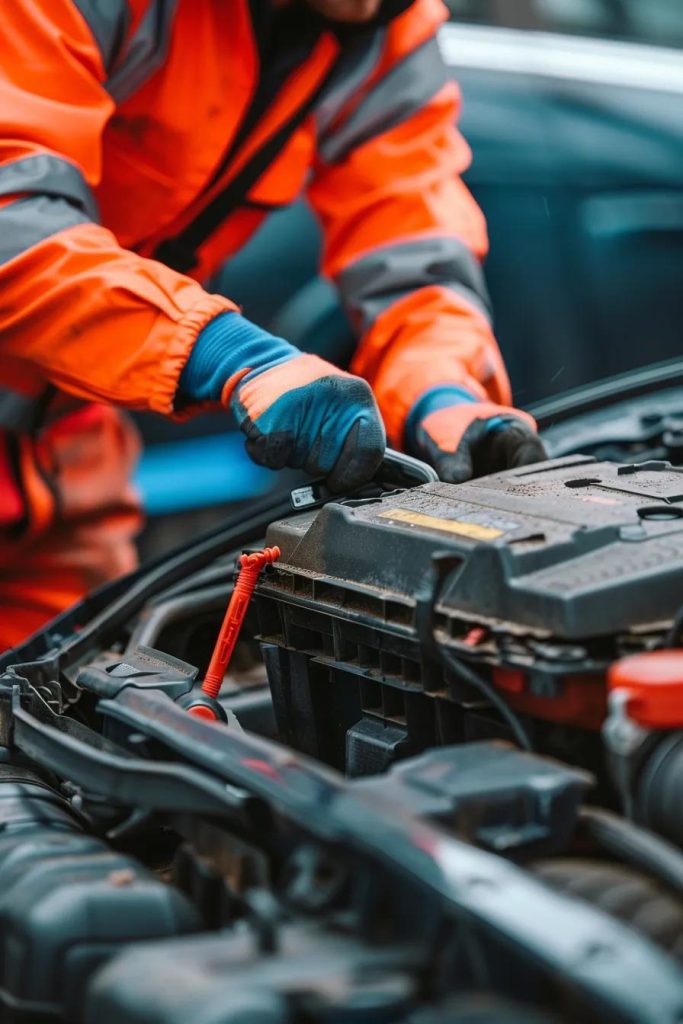
Dependable Car Battery Replacement in Fairfax
Dead or weak batteries are one of the most common—and usually avoidable—reasons cars stall or won’t start around Fairfax. Acting quickly and knowing what to look for saves you the stress and expense of a roadside tow. This guide shows how to spot battery trouble, what a professional diagnostic covers, typical costs, simple maintenance you can do at home, and how shops handle responsible recycling. You’ll learn basic at-home checks, when the charging system—not the battery—is the issue, and how techs measure Cold Cranking Amps (CCA), voltage, and parasitic drain to decide on replacement. We also walk through the service steps used by trusted local shops and explain installation, post-install testing, and transparent reporting so you can make a confident decision when a battery starts to fail.
How to Tell if Your Car Battery Needs Replacing in Fairfax, VA
A battery needs replacement when it can’t reliably provide the voltage required to start the engine or run accessories. Catching problems early reduces downtime and the chance of getting stranded. Watch for voltage drops, slow cranking, dim headlights, and persistent dashboard warnings—these usually mean the battery’s capacity or CCA has dropped. Noticing these signs helps you decide between a quick jump-start, a focused diagnostic, or a full battery replacement. Below we break down common symptoms and show how simple at-home checks plus professional tests separate a drained battery from one that’s failing internally.
Spotting Dead Battery Symptoms: Slow Cranking, Dim Lights, and More
Slow cranking happens when the starter turns the engine more slowly than usual—often a sign of low voltage or reduced CCA. Try a quick headlight test: with the engine off, turn headlights to high. If they dip noticeably when you start the car, the battery is likely weak. A resting multimeter reading under about 12.4 volts points to a partial discharge; readings below roughly 11.5 volts usually mean the battery won’t start the vehicle reliably. If a jump-start works but problems come back, schedule a professional diagnostic to determine whether the battery needs replacing or the charging system needs repair.
Why Batteries Fail: Life Expectancy and Common Warning Signs
Batteries wear out from chemical aging, heat, frequent short trips, parasitic drains, or faults in the charging system that prevent proper recharging. High under-hood temperatures—common in summer—speed internal degradation by increasing evaporation and plate corrosion, while cold weather cuts available CCA and makes slow-crank symptoms worse. Aftermarket electronics or a faulty module can cause parasitic drains that slowly kill a healthy battery, so a load-and-stand test is useful to pinpoint the cause. Knowing these failure modes helps you and your technician choose the right fix—terminal cleaning, alternator repair, or a new battery.
What Battery Services Does Circle Auto Repair Offer in Fairfax?
Complete battery service includes accurate diagnostics, the right product choice, safe installation, and verification of the vehicle’s charging and starting systems to keep things reliable. We start with a visual and electrical inspection—terminals, tray, hold-downs, and state-of-charge—then run load and charging-system tests to find the root cause. If replacement is needed, installation follows best practices: secure mounting, terminal cleaning and protection, and post-install voltage and accessory checks. Below we outline the diagnostic steps, installation checklist, and why related system checks matter for battery life.
How Circle Auto Repair Tests and Diagnoses Car Batteries
Our diagnostics begin with a visual check for corrosion, loose connections, and a secure tray—physical issues often show up before electrical failure. Techs then measure resting voltage and perform a CCA or load test to see the battery’s real starting capacity and whether it meets the manufacturer’s specs. We also test the charging system by running the engine and measuring alternator output to spot under- or over-charging, common causes of repeat failures. All results are documented with clear explanations and photo or video evidence so you understand whether the next step is cleaning terminals, fixing the charging system, or replacing the battery.
A full diagnostic—including State of Health (SOH) and Cold Cranking Amps (CCA) estimates—gives a reliable picture of a battery’s condition.
On-Board Battery Diagnostics: CCA and SOH Estimation
This paper outlines a battery-testing method based on simulating the starting process; it lets technicians estimate state of health (SOH), cold cranking amperage (CCA), and internal resistance to assess battery condition.
On-board battery condition diagnostics based on mathematical modeling of an engine starting system, M Averbukh, 2007
| Test/Check | What it measures | Why it matters |
|---|---|---|
| Visual inspection | Corrosion, cable condition, tray integrity | Finds physical problems that can cause voltage loss or early failure |
| Resting voltage test | Battery state-of-charge (volts) | Helps tell a discharged battery apart from one with internal faults |
| Load / CCA test | Actual cranking power under simulated start | Checks whether the battery can meet required starting amperage |
| Charging system test | Alternator output and voltage regulation | Reveals charging faults that shorten battery life |
This checklist keeps recommendations tied to measurable data, cutting unnecessary replacements and improving long-term reliability.
What to Expect with Professional Battery Replacement and Installation
Professional replacement follows a clear workflow: confirm the correct battery group size and CCA rating, remove and recycle the old battery safely, install the new unit with proper terminal torque, and apply corrosion protection. After installation we verify starter function, check charging performance at idle and under load, and confirm accessories—lights, radio, etc.—work as expected. You’ll get photos and video of the battery’s condition, the installation steps, and final test results so you can see exactly what we did and why. That transparency lowers stress and gives you a clear service record.
Why Alternator and Starter Checks Matter for Battery Health
Alternator and starter tests matter because a battery depends on correct charging during driving and a starter that draws a normal amount of current. An undercharging alternator leaves the battery chronically low; an overcharging regulator can overheat and damage internal plates. A failing starter may draw excessive current, making a healthy battery appear dead. Proper testing isolates which component is at fault so you don’t buy a new battery unnecessarily and the real problem gets fixed.
How Much Does Car Battery Replacement Cost in Fairfax, VA?
Battery replacement cost in Fairfax depends on battery type, brand, vehicle group, and labor. That’s why a diagnostic-first approach gives a realistic estimate. Key cost drivers include battery chemistry (lead-acid vs. AGM), required CCA, vehicle access and labor time, and any additional services like terminal cleaning or alternator repair. The table below shows common battery types and typical price ranges so you can see how choices affect both upfront cost and expected lifespan.
Knowing Cold Cranking Amps (CCA) helps you pick a battery that will reliably start your engine, especially in tougher weather.
Understanding Cold Cranking Amps (CCA) for Engine Starting
Cold Cranking Amps (CCA) measures a battery’s ability to start an engine in cold temperatures. Higher CCA ratings are used on larger commercial equipment and vehicles needing more starting power.
FORWARD I, 2008
| Battery Type | Typical Price Range | Typical Lifespan / Notes |
|---|---|---|
| Lead-acid (flooded) | $90 – $150 | Common and cost-effective; about 3–5 years with proper care |
| AGM (absorbed glass mat) | $150 – $300 | Stronger deep-cycle and vibration resistance; often used for stop-start systems |
| Premium brand (Interstate, NAPA) | $120 – $300 | Brand-name options with established warranties and dealer support |
| Specialty / Lithium-ion | $300+ | Used in some performance or EV-adjacent applications; fitment is vehicle-specific |
Because chemistry and vehicle needs vary, a technician’s diagnostic gives the most accurate price rather than a generic online quote.
What Affects the Price at Circle Auto Repair?
Price includes the battery itself, technician labor for removal and installation, disposal or recycling fees for the old battery, and any extra repairs the diagnostic reveals (like alternator or starter work). Some vehicles have harder-to-reach batteries—under seats or in tight bays—which raises labor time. Warranty terms and brand choice affect upfront cost but can lower lifetime expense if coverage reduces replacement frequency. For these reasons, a diagnostic evaluation produces the best estimate.
How to Get an Accurate Battery Replacement Quote
Start with a diagnostic: schedule a battery and charging-system check so a technician can log voltage, CCA, and alternator output, then provide a written estimate with photo or video of the findings. After diagnostics you’ll get a transparent quote that breaks out parts, labor, and any recommended follow-ups so you understand the cost drivers. To book a diagnostic or appointment, call the shop phone number and ask for a battery diagnostic and estimate—this keeps pricing clear and avoids surprises.
Why Choose Circle Auto Repair for Battery Replacement in Fairfax, VA?
Picking the right shop matters—accurate diagnostics, the right product, and clear communication cut down repeat visits and build trust for future service. Circle Auto Repair brings local know-how and technicians who perform full vehicle checks and deliver photo/video inspection reports so you can see the battery and charging system condition yourself. Our focus on transparency—showing what we inspect and why—creates a low-stress experience backed by skilled local techs. To schedule a diagnostic or battery replacement, call the shop phone number and we’ll provide a documented, transparent estimate.
Circle Auto Repair follows three customer-first principles:
- Clear transparency with photo and video reports documenting inspections and repairs.
- Diagnostic-first workflows that prevent unnecessary replacements and fix root causes.
- Local technician expertise that tailors recommendations to Fairfax driving and climate.
How We Make Battery Service Stress-Free and Transparent
We start with clear communication: techs explain the diagnostic steps, share photo/video evidence of findings, and present a written estimate before any work begins so you know what to expect. We document every stage—inspection, testing, installation, and post-install verification—so you have a permanent record and can confirm the work was done correctly. This approach reduces uncertainty and supports informed consent, with the option to review results in-person or remotely. That transparency is especially helpful when battery issues overlap with alternator or starter faults.
What Sets Our Technicians and Local Knowledge Apart?
Our techs understand Northern Virginia driving patterns, climate effects, and vehicle-specific quirks, so they use targeted diagnostics instead of one-size-fits-all fixes. As a Virginia State Emissions Repair Facility and Safety Inspection station, we’re familiar with state inspection rules and related electrical checks. That background helps us spot secondary problems—like parasitic drains or charging irregularities—that others might miss. Paired with transparent reporting, this local expertise gives customers confidence in recommendations and long-term results.
How Long Do Car Batteries Last — and How to Maintain Them in Fairfax, VA
Most car batteries last three to five years under average conditions, but local climate, driving habits, and charging-system health affect that span. Regular checks help you get the most life out of a battery. Maintenance like terminal cleaning, ensuring a secure mount, reducing short trips, and periodic CCA or voltage testing preserves capacity and spots issues early. The table below lists practical maintenance steps, how often to do them, and the benefit for drivers in Fairfax.
| Maintenance Action | Frequency | Expected Benefit |
|---|---|---|
| Visual terminal inspection & cleaning | Monthly | Prevents voltage loss from corrosion and keeps solid connections |
| Voltage or CCA testing | Annually or after 3 years | Detects capacity loss before failure and guides proactive replacement |
| Secure mounting & tray inspection | At every service | Prevents vibration damage and internal plate wear |
| Reduce short-trip frequency | Whenever possible | Allows the alternator to fully recharge and extends battery life |
Regular maintenance lowers the risk of sudden failures and helps ensure the battery can supply the required CCA for cold starts.
Average Battery Lifespan in Northern Virginia
In Northern Virginia, batteries typically last three to five years. Heat speeds chemical aging, while cold winters highlight reduced CCA during starts—so conditions will affect actual life. Drivers who do many short trips may see earlier decline because the alternator never fully recharges the battery between starts. Testing capacity annually after year three lets you replace a battery proactively rather than waiting for a failure. Replacing based on measured capacity, not just age, balances cost and reliability.
Quick Maintenance Tips to Extend Battery Life
Simple steps can make a marked difference: keep terminals clean and tight, limit parasitic loads from aftermarket devices, and make sure the charging system holds the correct voltage while driving. After cleaning, use a corrosion-neutralizing terminal protector and confirm the hold-down is secure to reduce vibration damage. Regular professional testing—especially a CCA or load test—shows declining capacity before complete failure and lets you plan replacements. When unsure, book a diagnostic so a technician can give data-driven advice instead of guessing.
How Circle Auto Repair Handles Eco-Friendly Battery Recycling in Fairfax, VA
Proper disposal keeps lead and acid out of the environment, and responsible shops follow regulated recycling channels so materials are recovered safely. Circle Auto Repair accepts old batteries, documents disposal to meet regulations, and works with licensed recyclers to close the loop. We secure used units, track hazardous material transfers, and educate customers about why recycling matters. These practices reduce environmental risk and give customers assurance that old batteries won’t be dumped improperly.
Why Battery Recycling Matters for Fairfax Drivers
Recycling prevents hazardous lead and sulfuric acid from contaminating soil and water, protecting public health and meeting environmental rules. It also recovers valuable materials like lead and plastic for reuse, cutting the need for raw extraction and lowering environmental impact. For Fairfax residents, responsible disposal is both a legal and ethical obligation; choosing a shop that documents chain-of-custody for used batteries ensures compliance and community protection.
How We Handle Safe, Responsible Battery Disposal
When we replace a battery, we secure the old unit, record its removal, and arrange transfer to licensed recyclers through approved channels to prevent illegal dumping and ensure safe processing. Customers are told the battery will be recycled and given any paperwork needed for records or business documentation. This documented approach reflects our broader commitment to responsible service and reduces the customer’s environmental liability. Choosing a shop that follows these practices ensures end-of-life handling is safe, legal, and eco-friendly.
Frequently Asked Questions
What should I do if my car battery is dead?
Try a jump-start using jumper cables and another vehicle. If it starts, let the engine run a while to help recharge the battery. If the battery won’t hold a charge or you still see slow cranking or dim lights afterward, book a diagnostic. A technician can tell you if the battery needs replacing or if the charging system is at fault.
How can I prolong the life of my car battery?
Regular maintenance helps: keep terminals clean, make sure the battery is securely mounted, and avoid lots of short trips that prevent full recharging. Have the battery tested at least once a year—especially after it reaches three years old. Avoid heavy use of electrical accessories with the engine off to help preserve charge.
What are the environmental impacts of improper battery disposal?
Improper disposal can release toxic lead and sulfuric acid into soil and water, harming people and wildlife. Responsible recycling ensures these materials are handled safely and reused, lowering environmental harm. Choose providers that prioritize eco-friendly disposal to protect your community.
Can I replace my car battery myself?
Yes, if you’re comfortable with basic mechanical work and safety. Use the correct tools and a battery that matches your vehicle’s specs, wear safety gear, disconnect the negative terminal first, and dispose of the old battery properly. If you’re uncertain, have a professional do the job to avoid injury or vehicle damage.
What is the difference between lead-acid and AGM batteries?
Lead-acid (flooded) batteries are affordable and reliable, typically lasting 3–5 years. AGM batteries offer better deep-cycle performance and vibration resistance and are often used in vehicles with high electrical demand or stop-start systems; they cost more but can last longer and handle tougher conditions. Pick based on your vehicle’s needs and driving habits.
How often should I have my battery tested?
Have the battery tested at least once a year, and more frequently after it hits three years of age. Test it right away if you notice slow starts, dimming lights, or dashboard warnings. Regular testing helps avoid unexpected breakdowns.
What should I expect during a professional battery diagnostic?
A technician will do a visual inspection for corrosion and secure connections, measure resting voltage, and run a load test to check cranking capacity. They’ll also test the alternator to confirm the battery is charging correctly. You’ll receive a clear report explaining findings and recommended next steps.