
Engine Repair in Fairfax, VA — Expert Diagnostics, Repairs & Replacements at Circle Auto
Keeping your engine in good shape means safer, more reliable driving around Fairfax — where stop‑and‑go commutes and seasonal temperature swings add wear. This guide walks you through modern diagnostics, common repairs, and how to choose between fixing an issue or replacing an engine. You’ll find clear symptom checklists, step‑by‑step diagnostic workflows, typical repair paths, and preventative maintenance tips tuned to Northern Virginia driving. We also explain how we keep work transparent so you can make cost‑informed decisions. At the end, we cover how to schedule diagnostics and what to bring to your appointment.
At Circle Auto Repair we pair advanced tools with straightforward communication. If you need local engine diagnostics, we deliver systematic reports and regular updates so you can decide confidently about repairs or replacement. Read on for detailed diagnostics, repair options, and simple scheduling steps to spot problems early and choose the safest, most cost‑effective path forward.
Why Engine Repair Matters for Fairfax Drivers
Engine repair restores mechanical reliability, reduces safety risks, and improves fuel economy — all things commuters notice every day. Small faults, like a worn sensor or a slow leak, can cascade into major failures if you wait. Timely repairs protect resale value, help your vehicle meet emissions requirements, and lower long‑term ownership costs. Knowing the common signs and acting quickly helps you avoid unexpected breakdowns and keeps your car dependable.
Healthy engines also burn cleaner, which matters in areas with emissions testing and heavy traffic. Next, we list the most common warning signs to watch for and immediate steps to take when they appear.
Common Signs You Need Engine Repair
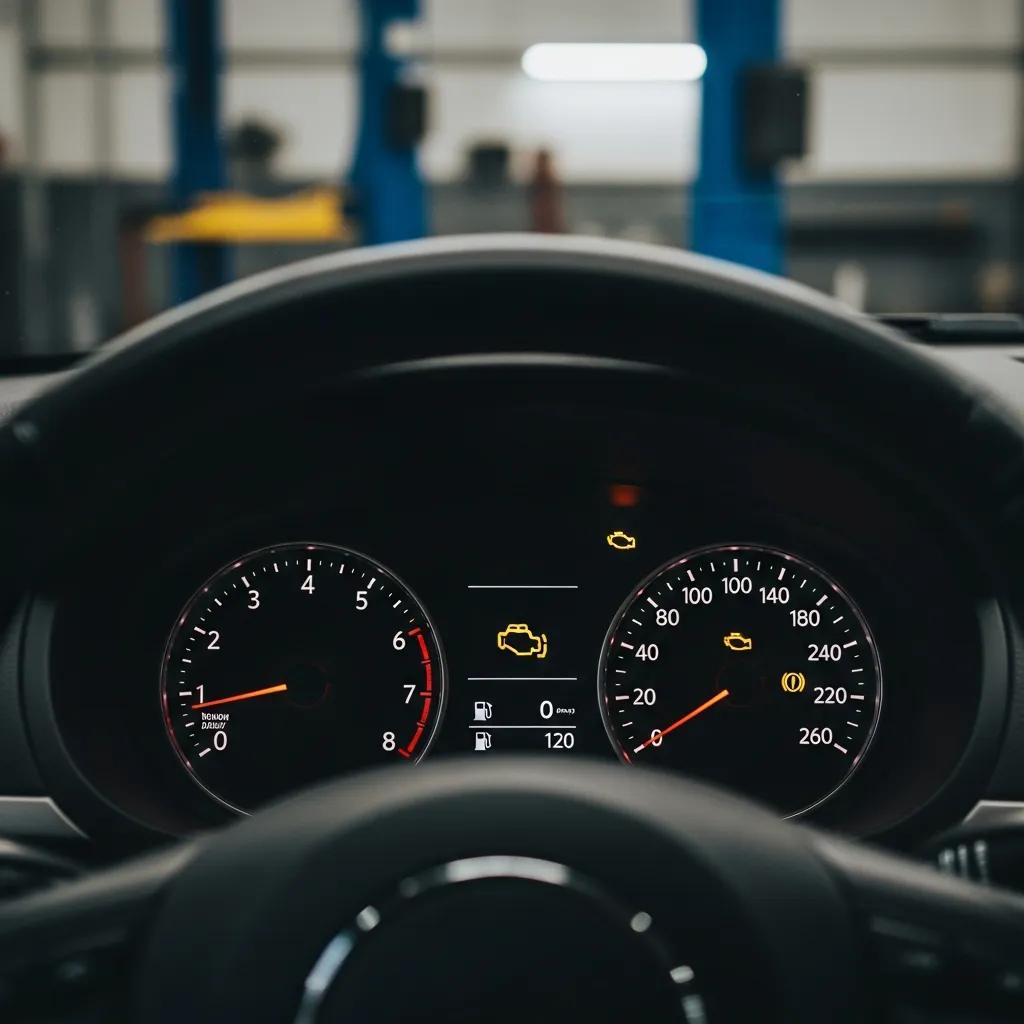
Certain symptoms reliably signal engine trouble and should prompt diagnostics rather than delay. Loss of power, persistent rough idle, or repeated stalling often point to ignition or fuel‑delivery issues and need scanning and fuel‑system checks. Unusual noises — knocking, tapping, or metal‑on‑metal sounds — typically mean internal wear that can worsen quickly. Visible fluid leaks, blue or white smoke, and continual overheating suggest cooling or head‑gasket problems and usually require immediate inspection to prevent severe damage.
If your check engine light is steady, schedule a diagnostic scan; if it’s flashing, slow down and seek service right away — a blinking light often means a serious misfire that can ruin a catalytic converter. Those cues guide the diagnostic steps technicians use to find and confirm root causes.
How Engine Repair Improves Safety and Longevity
Repairs restore proper lubrication, cooling, and timing so parts run within safe limits and are less likely to fail on the road. Fixing small leaks or replacing worn timing components prevents overheating and catastrophic damage like warped heads or broken pistons. Correcting faulty sensors and emissions components brings combustion back to spec, improving fuel economy and easing strain on the rest of the drivetrain. Rather than masking symptoms, the right repair targets the cause — preserving reliability and often postponing the need for replacement.
Our typical approach follows a simple sequence: diagnose, isolate, repair, and validate. That final verification step prevents repeat failures and ties the work back to improved safety and longevity. The diagnostic methods we use to make those outcomes reliable are explained in the next section.
Engine Diagnostic Services at Circle Auto in Fairfax, VA
Our diagnostics identify root causes using a structured sequence of scans, tests, and verifications that combine standard and advanced tools. We start with an OBD‑II scan to read stored and pending trouble codes, then monitor live data to see how sensors and actuators behave under real conditions. From there we perform targeted tests — fuel‑pressure checks, compression tests, smoke tests and similar inspections — to confirm mechanical integrity and isolate leaks or failures. We compile findings into a clear diagnostic report, often with photos or video, so you can see what we found and why we recommend specific repairs.
Circle Auto follows evidence‑based workflows and transparent reporting so Fairfax drivers understand exactly what the techs observed and why work is recommended. The tools and typical outcomes are summarized below to show what each test reveals.
Different diagnostic tools focus on specific failure modes and lead to actionable results.
| Diagnostic Tool | Detects | Typical Outcome |
|---|---|---|
| OBD‑II Scan Tool | Stored and pending fault codes; subsystem status | Identifies error codes that guide further testing |
| Live‑Data Monitor | Real‑time sensor and actuator readings | Shows intermittent faults and operational context |
| Smoke Test | Intake, vacuum, and EVAP leaks | Finds leak locations for sealing or hose replacement |
| Compression Test | Cylinder sealing and mechanical condition | Confirms head gasket issues or worn rings/bores |
| Fuel Pressure Gauge | Fuel delivery and regulator performance | Diagnoses weak pumps, clogged filters, or regulator faults |
Using multiple tools reduces guesswork, narrows repair scope, and improves accuracy and cost‑effectiveness.
What the Check Engine Light Means and How We Diagnose It
The check engine light means the vehicle’s computer detected a parameter outside normal limits and stored a diagnostic code. We begin by reading those codes, then correlate them with live data and a physical inspection. A steady light usually points to a non‑emergency issue like a sensor fault; a flashing light often indicates a severe misfire that needs immediate attention. Common causes include loose gas caps, oxygen sensors, ignition misfires, or fuel‑system anomalies. After finding the root cause, we clear the codes and re‑test under driving conditions to make sure the problem is resolved.
Interpreting codes correctly requires combining code data with live parameters and hands‑on checks. That method reduces false positives and avoids unnecessary parts replacement.
Advanced Diagnostic Tools and Processes
Advanced diagnostics — waveform analysis, thermal imaging, and bench testing — reveal issues basic code reads can miss, especially intermittent or system‑level faults. Thermal imaging highlights hotspots from blocked cooling passages or failing components. Waveform analysis of crank and cam signals finds timing anomalies that cause misfires. Bench testing injectors, alternators, and other parts isolates failures off the vehicle to avoid repetitive bench‑to‑car cycles. We document findings with photos and video so you can review and approve repairs visually.
Combining these methods builds a clear, cost‑balanced case for repair versus replacement. The table below outlines common repair types and what typically indicates each one.
OBD‑II is the standard protocol for accessing real‑time vehicle data and diagnosing many engine faults.
OBD‑II Diagnostics: Real‑Time Data for Engine Fault Detection
The On‑Board Diagnostics II (OBD‑II) protocol lets technicians read live and stored vehicle data through the vehicle’s diagnostic port. That real‑time data is essential for assessing engine performance and tracking down faults.
Driving behavior analysis and classification by vehicle OBD data using machine learning, 2023
Engine Repair Solutions Offered at Circle Auto Repair

Our repairs range from sensor and ignition replacements to major mechanical work like head gasket service, timing system repairs, or complete engine replacement when necessary. Quick fixes — spark plugs or ignition coils — often solve misfires and drivability issues. Cooling‑system repairs and thermostat changes stop overheating before it damages heads. For internal failures such as worn bearings, timing failures, or cracked blocks, we may recommend a rebuild or engine swap based on the vehicle’s condition. We discuss parts options — new or remanufactured — and focus on verified outcomes and quality control.
| Repair Type | Typical Indicator / Symptom | When to Seek Service |
|---|---|---|
| Ignition System (plugs/coils) | Misfire codes, rough idle, loss of power | At first sign of misfire or performance drop |
| Cooling System (water pump/thermostat) | Overheating, coolant loss, white smoke | Immediately when overheating or leaks appear |
| Head Gasket Repair | Coolant in oil, repeated overheating, white exhaust | After repeated overheating or coolant loss |
| Timing Belt/Chain Service | Ticking noise, poor performance, no‑start | Based on condition or if symptoms start |
| Full Engine Replacement/Rebuild | Metal debris in oil, seized engine, cracked block | When repair costs or damage make replacement the better option |
This table links symptoms to likely repairs and prepares you for the diagnostic steps that produce final recommendations.
Types of Engine Repairs We Handle
We routinely perform ignition and fuel‑system repairs, cooling‑system work, timing and internal mechanical services, and emission‑control replacements that affect drivability and compliance. Ignition and fuel jobs — spark plugs, coils, injectors — usually fix misfires and rough running and include combustion and electrical checks to confirm the issue. Cooling repairs address overheating through water pump, thermostat, hose, or radiator service and include pressure and leak testing. More complex mechanical work — timing belts/chains, oil pumps, or bearing service — requires careful inspection and post‑repair validation.
Every repair starts with a documented diagnostic phase to prove the root cause and ends with validation testing to confirm performance was restored. That verification process also helps when weighing repair versus replacement.
When to Replace an Engine Instead of Repairing It
Replacement is reasonable when repair costs approach or exceed the vehicle’s value, when damage is catastrophic (cracked block, severe scoring, pervasive bearing failure), or when long‑term reliability can’t be restored. We consider mileage, internal damage extent, likely future repairs, and costs of remanufactured versus new engines. If major systems will need repeated work, replacement can be a more dependable and cost‑effective choice. For isolated failures with intact mechanical integrity, targeted repair is usually the smarter route.
To make this decision practical, the table below outlines the main factors we use during assessments.
| Decision Factor | Attribute | Considerations |
|---|---|---|
| Repair Cost vs. Vehicle Value | Economic ratio | Consider replacement if repair approaches or exceeds market value |
| Damage Extent | Mechanical severity | Replace for cracked blocks, severe scoring, or seized engines |
| Mileage and Use | Longevity expectation | Lower mileage favors repair; high mileage may favor replacement |
| Reliability Needs | Owner goals | Replace for high‑dependability needs; repair for short‑term fixes |
This framework helps Fairfax drivers evaluate options objectively and discuss realistic outcomes during the estimate process.
How We Keep Engine Repairs Transparent and Trustworthy
Transparency reduces uncertainty. We document findings with photos, videos, and clear technician notes that explain why a repair is needed. Our digital vehicle inspections capture component condition, show failed parts, and provide before‑and‑after evidence so you can confirm the work. Standardized communication — clear estimates, approval steps, and periodic updates — prevents surprise charges. Technician qualifications and quality‑assurance checks further build confidence by showing experienced, ASE‑aligned procedures guide our diagnostics and repairs.
Circle Auto applies these practices so Fairfax drivers get clear evidence and consistent communication, reducing stress around complex engine work and supporting informed decisions. Next we explain how customers can view repairs live and what ASE certification means for technician competence.
Can Customers Watch Their Engine Repairs in Real Time?
Yes. Our digital inspection process includes photos and short videos taken during key repair steps and shared securely with customers. You’ll receive timestamped evidence showing the fault, work in progress, and replaced parts so you can see the link between diagnosis and repair. This transparent workflow makes approvals simpler and helps prevent disputes. Typical updates include initial findings, approval requests for parts, and a final verification showing restored function.
Visible evidence helps customers compare options and understand the value of recommended work, which ties into expectations about technician qualifications and verification practices.
Why Our ASE‑Certified Technicians Are Reliable
ASE certification shows technicians have passed industry competency exams and follow proven diagnostic protocols — which improves accuracy and repair quality. Certification covers engine repair, electrical systems, and diagnostics; our techs also take ongoing training for newer vehicles, including hybrids and advanced driver assistance systems. Following ASE standards ensures consistent testing, documentation, and post‑repair validation, reducing repeat visits and building dependable results.
Knowing your techs are certified helps you trust the process. The next section covers preventive steps drivers can take to avoid many engine problems.
Preventative Maintenance Tips to Avoid Engine Problems in Fairfax
Preventive maintenance addresses wear and consumable items before they fail, lowering the chance of costly engine repairs and improving day‑to‑day reliability. Regular oil and filter changes protect bearings and other moving parts. Cooling‑system care prevents overheating and head gasket failure. Inspecting belts, hoses, and timing components on schedule avoids sudden breakdowns, and watching dashboard warnings or performance changes catches problems earlier. Pairing routine service with periodic diagnostic scans can spot sensor drift and emerging faults before they become major repairs.
Essential maintenance steps for longer engine life:
- Keep up with oil and filter changes to protect internal parts and preserve oil pressure.
- Maintain the cooling system — correct coolant levels and sound hoses — to avoid overheating.
- Inspect and replace belts and timing components proactively based on condition or schedule.
- Change air and fuel filters as needed to keep combustion clean and protect injectors.
Following these steps reduces engine stress and extends service intervals. The next subsection explains how predictive tools add another layer of protection by spotting issues early.
Routine Services That Prolong Engine Life
Services that most effectively extend engine life include scheduled oil and filter changes, air and fuel filter replacement, cooling‑system flushes and inspections, and timing‑component checks or replacements. These keep combustion clean, lubrication effective, and operating temperatures stable — three pillars of engine health — and they help avoid cascading failures like head gasket damage from sustained overheating. Because stop‑and‑go commuting common in Fairfax can increase wear, a service advisor can tailor intervals to your driving patterns.
Good routine care reduces repair frequency and severity and makes predictive diagnostics a useful next step for drivers who want to minimize unexpected downtime.
How Predictive Maintenance and Data Can Prevent Breakdowns
Predictive maintenance analyzes trends from sensor data and diagnostic history to forecast component degradation and schedule proactive repairs. Spotting patterns — falling compression, rising fuel trims, or recurring minor misfires — lets us flag issues earlier than single inspections. Using those insights during scheduled service windows minimizes disruption and lowers emergency repair costs. While analytics keep evolving, combining regular diagnostics with data‑driven trend monitoring gives drivers better early warning and a structured plan for repairs.
Predictive thinking complements routine maintenance and pairs well with our transparent reporting to keep vehicles reliable and reduce downtime.
How to Schedule Engine Repair Services at Circle Auto in Fairfax, VA
Scheduling diagnostics starts with a short intake about symptoms, warning lights, and the driving conditions that reproduce the problem. That information helps us plan tests and prioritize work. When you call, tell us the odometer reading and symptom details — when the issue happens, the check engine light behavior, and recent maintenance — to speed diagnosis. Expect an initial testing appointment followed by a written estimate and an approval step before major repairs proceed. Bringing maintenance records and noting symptom timing improves accuracy and shop efficiency.
To set up service, call 703-591-8112 to describe symptoms and book a diagnostic appointment; confirm availability and any preparation steps when you call. The next subsection explains what to bring and how to prepare for a smooth visit.
Service Hours and Contact Details
Call 703-591-8112 to reach our scheduling team for engine concerns or to book a diagnostic appointment. Ask about current service hours and real‑time availability when you call, since hours can vary. When you contact us, describe the symptom, whether the check engine light is steady or flashing, and any recent service history to help prioritize diagnostics. Clear, early communication helps shorten shop time and streamline the diagnostic workflow.
How to Prepare Your Vehicle for a Diagnostic or Repair Appointment
Prepare by gathering recent maintenance records, noting exactly when symptoms occur, and making sure the vehicle has enough fuel and clear access. Bring keys (including any valet or remote keys) and warranty or service documents if applicable. Be ready to describe driving conditions that reproduce the issue — idle, acceleration, or highway — and clear personal items from the cabin and engine bay so technicians can work efficiently. Finally, discuss authorization limits for parts or added labor when you schedule to avoid delays if follow‑up parts are needed.
These steps speed diagnosis and improve repair accuracy so you get back on the road sooner with verified results.
Frequently Asked Questions
What should I do if my check engine light comes on?
Address it promptly. A steady light usually means a non‑emergency fault; a flashing light often indicates a serious misfire and needs immediate service. Check for obvious issues like a loose gas cap, then schedule a diagnostic appointment so a technician can read trouble codes and run targeted tests.
How often should I have my engine checked for preventative maintenance?
Have the engine inspected at least once a year or every 10,000–15,000 miles, depending on driving conditions and your vehicle. Routine work should include oil and filter changes, and inspections of belts and hoses. Follow your vehicle manufacturer’s schedule and adjust based on heavy commuting or stop‑and‑go driving.
What are the benefits of using advanced diagnostic tools for engine issues?
Advanced tools catch intermittent faults and system‑level problems that simple code reads miss. Thermal imaging, waveform analysis, and live‑data monitoring let us pinpoint issues precisely, leading to targeted repairs, fewer unnecessary parts, and fewer repeat visits — saving time and money.
Can I perform any engine maintenance myself?
You can handle basic tasks like checking and changing oil, swapping air filters, and replacing spark plugs if you’re comfortable doing so. Regularly inspect belts and hoses for wear. For complex diagnostics or repairs, trust a professional — and always follow your owner’s manual and safety guidelines.
What factors influence the decision to repair or replace an engine?
Key factors include the extent of damage, repair cost versus vehicle value, mileage, and the owner’s reliability needs. If repairs approach the vehicle’s market value or damage is catastrophic, replacement may be the better long‑term choice. A thorough assessment by a qualified technician will clarify the best option.
How can I ensure the quality of engine repairs at Circle Auto?
Look for transparent diagnostics — detailed reports with photos and video — and ASE‑certified technicians who follow best practices. Ask for documentation of the work performed, check reviews or references, and verify any warranties offered on parts and labor.
What should I bring to my engine repair appointment?
Bring recent maintenance records, a clear description of symptoms, and your vehicle keys. Include warranty documents or previous diagnostic reports if available. Make sure the vehicle has fuel and access to the engine bay so technicians can reproduce issues and work efficiently.